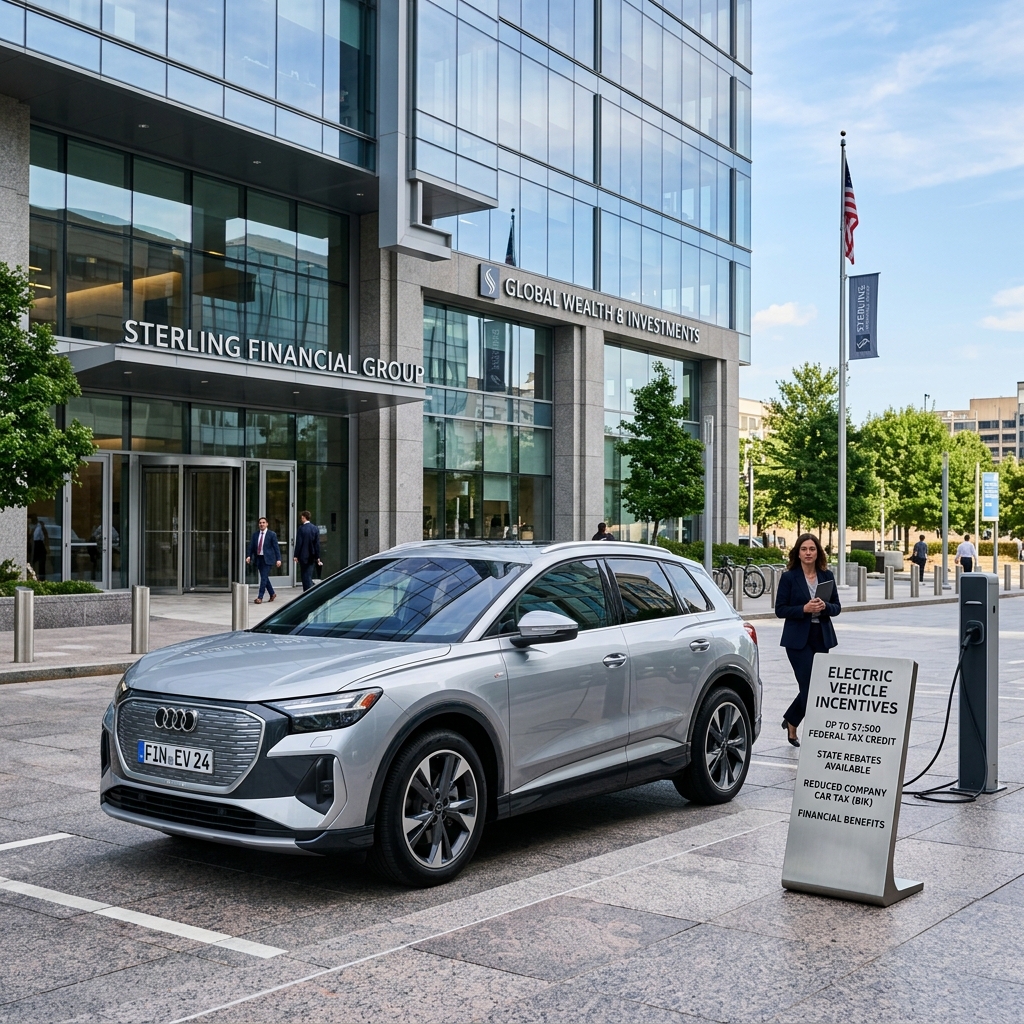
EV Incentive Guide and Eligibility
How incentives alter total cost and what to validate before relying on them.
Ownership economics
Incentives help, but only when you treat them as conditional. Building a purchase around an uncertain credit is one of the fastest ways to overstate EV affordability.
- Tax credits should be treated as verified upside, not assumed base case.
- Eligibility depends on vehicle rules, buyer income, and often timing or dealer structure.
- A good EV decision still works when the incentive is delayed or reduced.
Why incentive logic breaks so many comparisons
Buyers often drop the full tax credit into the spreadsheet before checking whether they actually qualify. That makes the vehicle look affordable on paper, but the decision collapses if the credit is delayed, reduced, or unavailable for the chosen trim.
The disciplined method is to separate sticker price, likely net price, and confirmed incentive path.
The three checks that matter before using a credit
First, confirm the vehicle itself qualifies under the current rules. Second, check household income or tax-liability conditions. Third, confirm whether the benefit is applied at point of sale, later through tax filing, or through a dealer-specific structure.
Each of those steps changes cash flow. A valid credit that arrives later is not the same as an immediate price reduction.
- Vehicle eligibility check.
- Buyer eligibility check.
- Timing and delivery check.
How incentives change total cost without hiding weak economics
The best use of an incentive is to strengthen an already sensible purchase, not to rescue a weak one. If the vehicle only works with the credit and fails without it, your decision has very little margin of safety.
A better model compares cost with and without the incentive. If both scenarios are acceptable, the purchase is robust.
What to do when policy risk is high
If you are buying in a period of changing rules, keep a conservative version of the model where the credit is smaller or delayed. This helps avoid overcommitting on monthly payment or down payment.
Policy-driven savings are useful, but they should sit on top of solid operating economics like home charging, moderate insurance, and manageable depreciation.
Operational checklist before you commit
- Verify the exact vehicle and trim against current eligibility rules.
- Check your own income or tax position before counting the credit.
- Separate immediate discount from future tax benefit in cash-flow planning.
- Run a no-credit scenario to test decision resilience.
- Avoid committing to a monthly payment that only works in the optimistic case.
Frequently asked questions
Should I assume the full credit in my spreadsheet?
Only after you verify vehicle, buyer, and timing eligibility. Until then, treat it as conditional upside.
Does a tax credit automatically make the EV cheaper?
Not automatically. It improves the purchase case, but charging access, insurance, and depreciation still decide the long-term economics.
What if rules change soon?
Use a conservative scenario with reduced or delayed incentive so you do not build the decision on unstable policy assumptions.
Final takeaways
Incentives are powerful, but they should never replace discipline. Confirm the rules, model the timing, and make sure the EV still makes sense under a conservative case.
That turns the credit into a margin enhancer instead of a planning trap.
Tools to validate the buying decision
Use these calculators to compare cash flow, depreciation, and payback before locking in a financing or buying path.